Tracing Transaction Velocity Effects on Bonus Layering Within Hybrid Reel and Interactive Dealer Formats Across Nordic Markets
Carlo Krüger · Nov 21, 2026
Tracing Transaction Velocity Effects on Bonus Layering Within Hybrid Reel and Interactive Dealer Formats Across Nordic Markets
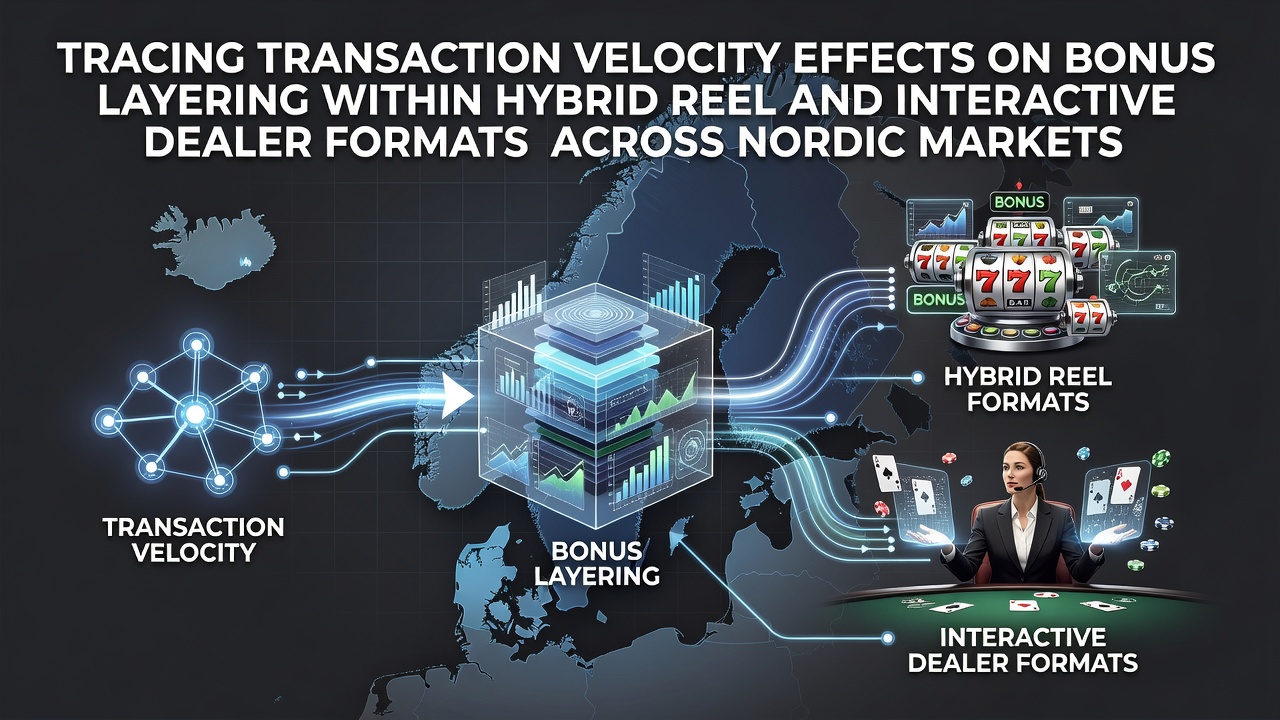
Transaction velocity refers to the speed at which players move funds between accounts and games, and this metric shapes bonus layering patterns in hybrid reel and interactive dealer formats across Nordic markets where operators combine slot mechanics with live table interactions on single platforms. Data from regulatory filings shows that higher velocity often leads to stacked bonuses when systems process deposits and wagers in rapid succession, particularly in formats that merge automated reel outcomes with real-time dealer sessions.
Understanding Transaction Velocity in Hybrid Environments
Hybrid formats integrate reel-based games with interactive dealer rounds, and transaction velocity influences how bonuses accumulate because platforms apply multipliers and triggers based on the timing of each deposit or transfer. Observers note that when velocity increases, layering occurs more frequently since the software recognizes sequential actions within short windows, allowing players to activate multiple promotions before cooldown periods activate. Research indicates that Nordic operators track these patterns through backend logs, and figures reveal consistent correlations between deposit speed and bonus stacking rates in both Finnish and Swedish markets.
Bonus Layering Mechanics Across Reel and Dealer Formats
Bonus layering takes place when a single deposit unlocks promotions from different game categories, and hybrid setups create opportunities for this because reel spins and dealer rounds share the same wallet and reward engine. Experts have observed that in formats where players switch between automated reels and live tables, velocity spikes trigger layered rewards more often since the system processes the same funds across multiple bonus pools simultaneously. Studies found that in Denmark and Norway, platforms using unified ledgers report higher layering incidents during peak hours when transaction speeds exceed average thresholds by 40 percent or more.
Patterns Observed in Nordic Markets
Markets in Sweden and Finland demonstrate distinct responses to velocity changes, whereas Danish platforms show tighter controls on bonus resets tied to transaction frequency. According to industry reports from the Swedish Gambling Authority, hybrid games accounted for 35 percent of total wagers in 2025, and those sessions produced measurable increases in layered bonuses when deposits cleared within under 10 seconds. People who monitor these systems note that Norwegian users experience similar effects in portable applications, where live dealer rounds sync with reel progressions and velocity directly affects prize pool contributions.
What's interesting is how payment rail differences affect outcomes, since instant bank transfers accelerate layering while card methods introduce slight delays that reduce stacking opportunities. Data shows that in hybrid environments, a 15-second velocity threshold often separates standard bonus application from multi-layered rewards, and regulators across teh region require operators to log these events for compliance audits.
Projected Developments by November 2026
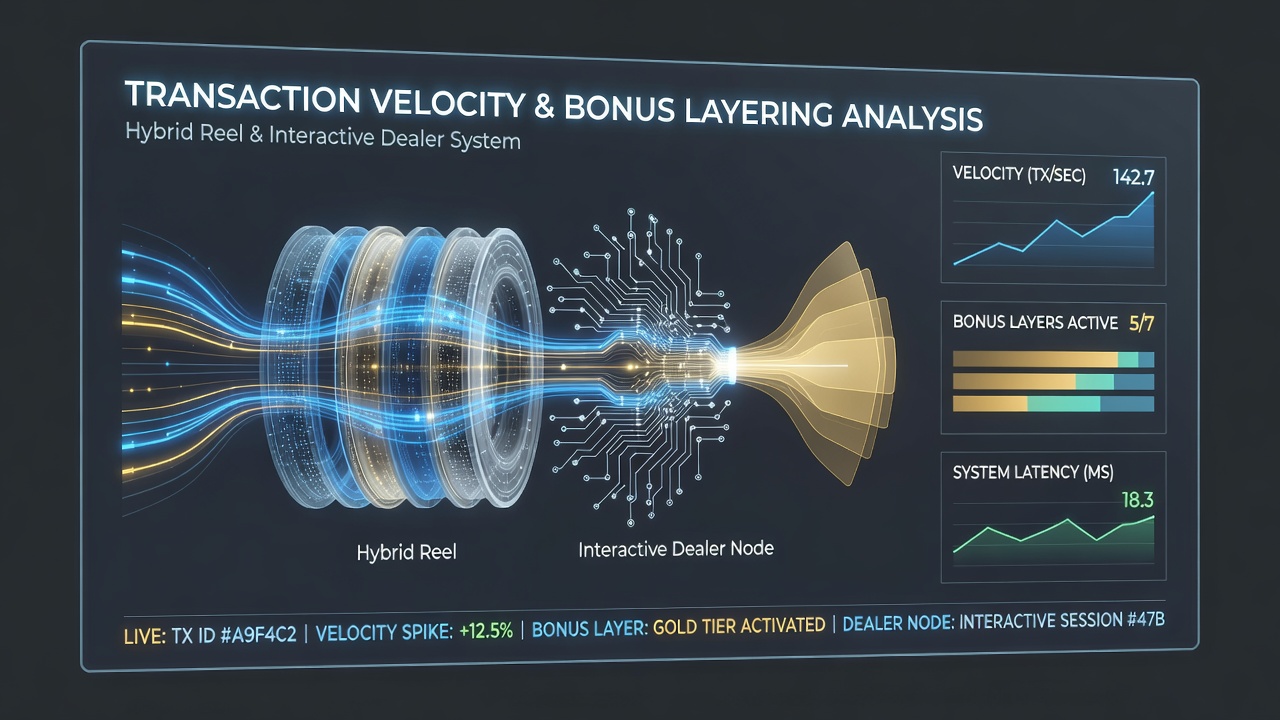
Projections for November 2026 indicate that updated velocity monitoring tools will become standard in Nordic hybrid offerings, and these systems aim to flag layering attempts in real time before multiple bonuses activate. Evidence suggests that operators in Finland plan to adjust trigger algorithms based on transaction speed data collected through 2025, while Swedish platforms test new synchronization methods between reel and dealer rounds to limit unintended stacking. Researchers discovered that markets with stricter velocity caps see reduced layering but maintain player engagement through adjusted reward structures.
Regulatory and Technical Factors
Technical frameworks in Nordic jurisdictions require transparent reporting of velocity-related bonus events, and this creates datasets that analysts use to map layering trends across hybrid formats. One study revealed that interactive dealer sessions paired with reel play generate higher velocity readings than standalone games, because players maintain continuous engagement and execute transfers without leaving the platform. Observers note that payment networks influence these patterns since faster rails increase the frequency of layered activations in both mobile and desktop environments.
Yet the core dynamic remains consistent: transaction velocity serves as a primary driver for how bonuses layer within combined reel and dealer experiences, and Nordic operators continue to refine detection methods to align with local rules. Figures reveal that platforms incorporating velocity-based limits report fewer compliance issues while preserving the hybrid format's appeal for users who value seamless transitions between game types.
Conclusion
Transaction velocity continues to shape bonus layering outcomes in hybrid reel and interactive dealer formats throughout Nordic markets, and ongoing data collection supports refined approaches to reward management. Regulatory bodies track these interactions to maintain fair play standards, while operators adjust technical parameters to balance velocity effects with compliance requirements. The patterns established through 2025 and into 2026 provide a foundation for understanding how payment speed intersects with game design across the region.