Shifts in Prize Distribution Mechanics Across Portable Applications Merging Reel Spins and Live Interactions
Carlo Krüger · Sep 26, 2026
Shifts in Prize Distribution Mechanics Across Portable Applications Merging Reel Spins and Live Interactions
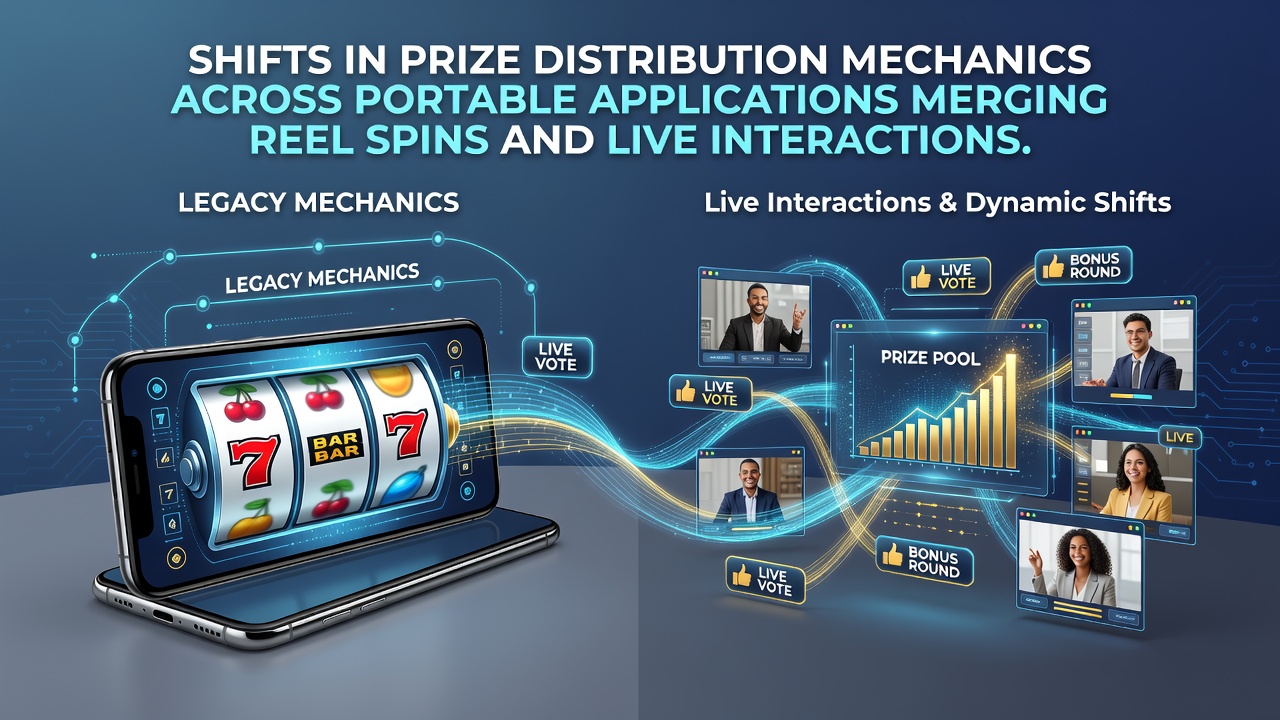
Portable applications that combine reel-based games with live dealer formats have introduced new approaches to how prizes reach users, and data from industry tracking services shows these mechanics evolving rapidly through 2025 and into September 2026. Developers integrate random number generators from slots with real-time elements from live tables, which creates prize pools that adjust based on both automated spins and participant actions during broadcasts. Regulatory filings from multiple jurisdictions document the move away from fixed jackpot structures toward systems where contributions from slot sessions feed directly into live event multipliers.
Integration of Slot Mechanics and Live Dealer Elements
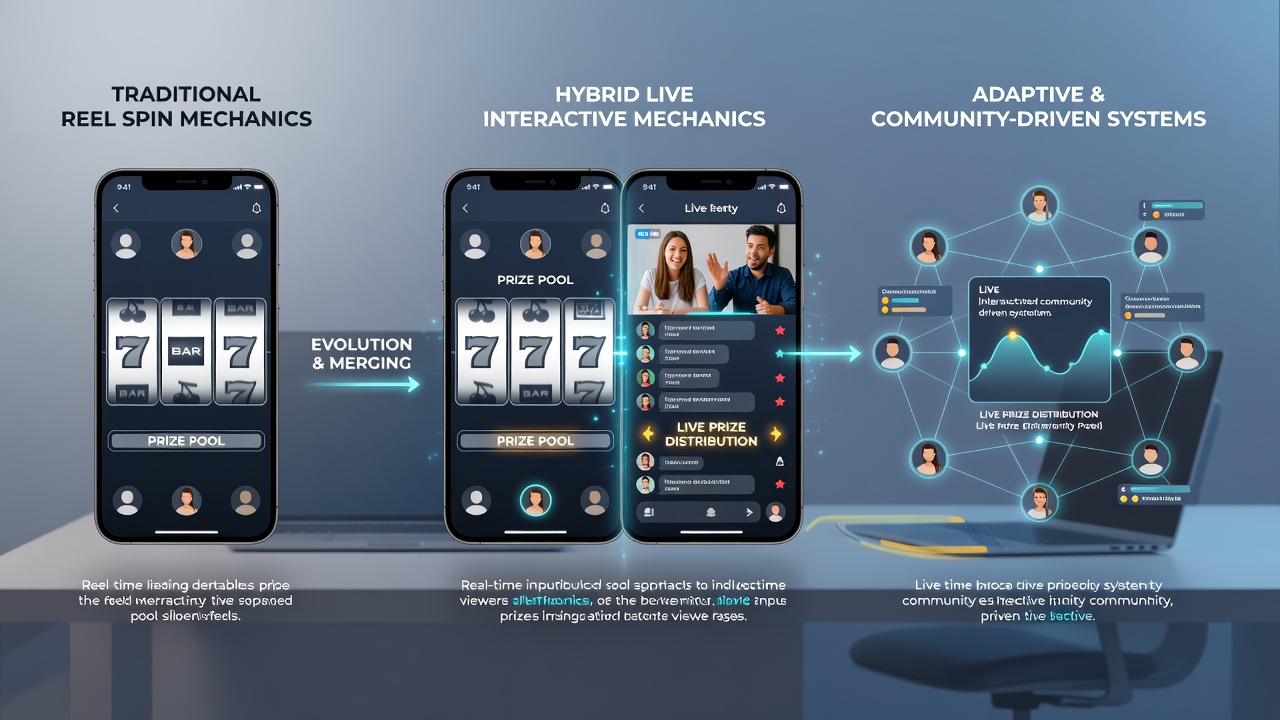
Hybrid platforms link reel outcomes to live sessions through synchronized triggers, so a series of consecutive spins on a mobile slot can activate bonus rounds hosted by a dealer in real time. According to reports compiled by the European Gaming and Betting Association, these merged formats distribute prizes by pooling wagers across both game types rather than maintaining separate ledgers. Players complete reel sequences that unlock entry into live table segments, where the accumulated value then converts into chips or multipliers applied during the broadcast. This setup requires continuous data exchange between the app backend and streaming servers to keep prize values current across thousands of simultaneous sessions.
Technical Adjustments in Prize Allocation Systems
Engineers have revised allocation algorithms to handle variable participation rates, since live segments attract fluctuating numbers of users compared with automated spins. Figures released by iGaming Ontario indicate that prize distribution now incorporates time-stamped contributions from mobile sessions, allowing the system to recalculate shares when a live event concludes. Applications employ segmented ledgers that separate base game contributions from live-triggered additions, which reduces processing delays during peak hours. In September 2026 several operators plan to deploy updated protocols that further shorten the interval between a winning reel combination and the corresponding live bonus credit appearing on user accounts.
Regional Regulatory Influences on Distribution Models
Authorities in different regions apply distinct requirements that shape how prizes move through these merged applications. The Australian Communications and Media Authority requires transparent logging of every contribution to a shared prize pool, which forces developers to embed detailed audit trails within the mobile code. Canadian provincial frameworks emphasize player verification steps before live-triggered prizes can be claimed, adding an extra verification layer between the spin result and the live payout. These rules have prompted studios to build modular distribution engines that adapt to local compliance demands without rebuilding the core integration layer each time a new market opens.
Examples from Current Implementations
One platform operating across Nordic markets uses a contribution meter visible on the mobile interface, where reel activity steadily fills a bar that later converts into live dealer buy-ins. Observers note that this visual feedback loop keeps users informed about how their spins affect the upcoming live event prize structure. Another case involves an application that routes a percentage of every live table rake back into a slot-based progressive that resets after each broadcast cycle. Research conducted at the University of Nevada Reno examined transaction logs from similar systems and found that the merged mechanics produce more frequent but smaller prize events compared with standalone progressive titles.
Future Adjustments Scheduled for Late 2026
Industry roadmaps shared at developer conferences outline further refinements set for September 2026, including cross-game loyalty multipliers that carry over from live sessions into subsequent reel play. These changes rely on improved server synchronization to ensure the prize values remain consistent even when users switch between devices mid-session. Data from pilot tests conducted earlier this year show reduced latency in prize crediting once the new synchronization layer activates. Operators continue to monitor participation metrics to determine whether additional segmentation of prize pools will be necessary as hybrid usage grows.
Conclusion
Portable applications merging reel spins with live interactions continue to refine prize distribution through technical and regulatory adaptations. The documented shifts reflect responses to compliance demands, user volume patterns, and backend synchronization improvements rather than any single design preference. Tracking services and academic reviews provide ongoing measurements of how these mechanics perform across markets, supplying operators with concrete figures to guide the next round of updates.