Regulatory Shifts Influencing Bonus Structures for Nordic Digital Table Game Participants
Ulrich Albrecht · Sep 12, 2026

Regulatory Shifts Influencing Bonus Structures for Nordic Digital Table Game Participants
Regulatory frameworks across Nordic countries continue to evolve and these changes reshape how operators structure bonuses for participants in digital table games such as blackjack, roulette and baccarat. Finland, Sweden, Denmark and Norway each maintain distinct licensing systems yet they share common threads in responsible gambling mandates that directly affect bonus eligibility, wagering requirements and payout conditions. Data from national regulators shows that operators have adjusted bonus terms to align with updated player protection standards while maintaining competitive offerings in the mobile and desktop environments.
Key Regulatory Developments Across Nordic Markets
Swedish authorities implemented stricter rules on bonus promotions in recent years and these adjustments extended to table game formats where operators must now disclose wagering multipliers upfront. Similar patterns emerged in Denmark where the gaming authority requires clear separation between deposit bonuses and free bet credits for table game users. Finnish regulators focus on monopolistic structures that limit external bonus promotions yet licensed operators still navigate specific guidelines for digital variants. Norway's state-controlled model imposes additional layers on promotional activities and these restrictions influence how international platforms present incentives to Nordic users.
Effects on Bonus Structures for Table Games
Operators responded to these shifts by introducing tiered bonus systems that differentiate between slot machines and table games with lower maximum bet limits often applied to table game bonuses. Research indicates that wagering requirements for table game bonuses now frequently range between 30x and 50x depending on the jurisdiction and this variation stems from efforts to balance player engagement with harm prevention. Those who've examined licensing reports note that many platforms cap bonus values for live dealer table games at lower thresholds compared to automated versions to comply with real-time monitoring protocols.
Payment method restrictions also play a role because certain e-wallets trigger bonus exclusions in Nordic markets while bank transfers allow full participation. Figures from industry analyses reveal that table game participants encounter more frequent bonus opt-in requirements tied to age verification processes and these steps help regulators track promotional usage patterns over time.
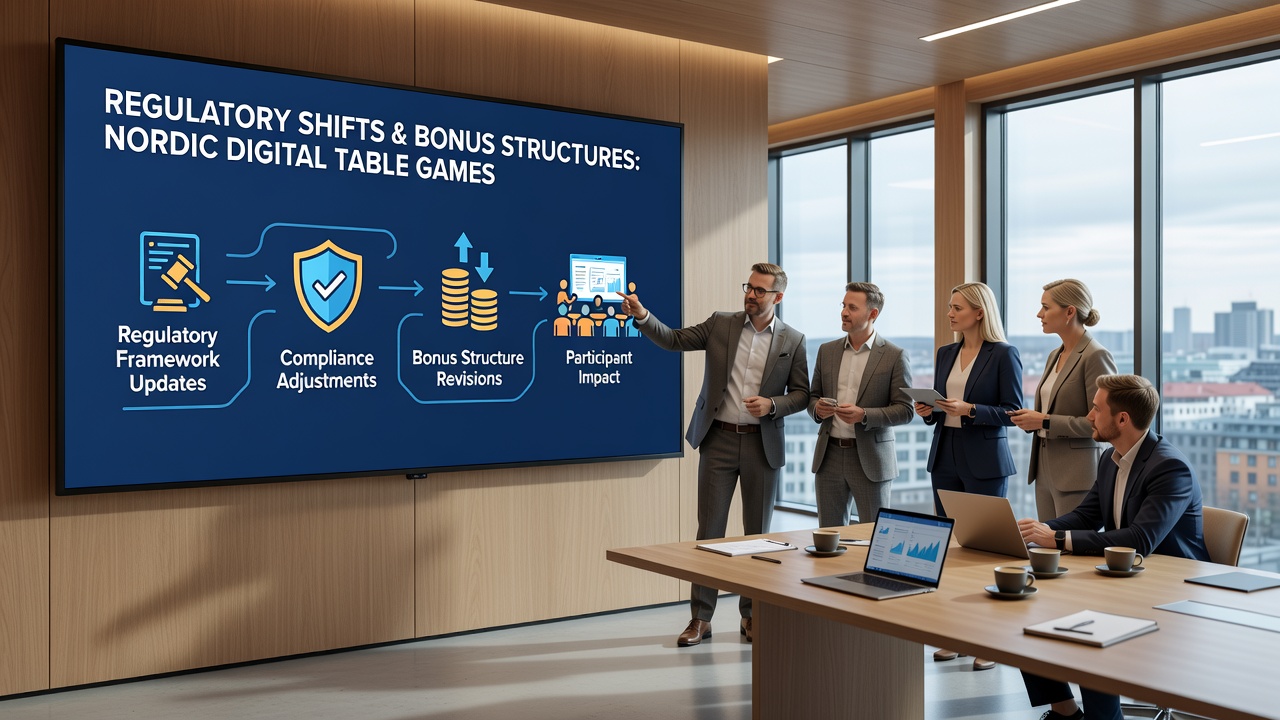
September 2026 Timeline and Upcoming Adjustments
Preparations for September 2026 mark a notable point because several Nordic jurisdictions plan synchronized updates to digital gambling standards that will further standardize bonus disclosures for table game users. Observers note that these changes build on existing EU directives related to consumer protection and they encourage operators to adopt uniform reporting on bonus redemption rates. Data shows that platforms already testing preview versions of these rules have reduced bonus durations for table games from 30 days to 14 days in select cases to meet anticipated compliance thresholds.
Industry organizations such as the European Commission digital services framework provide guidelines that influence these Nordic adaptations and they emphasize transparency in how bonuses interact with live dealer mechanics. Academic studies from Nordic universities have examined participant behavior under revised bonus models and findings suggest that clearer terms lead to higher completion rates for wagering obligations on table games.
Regional Variations in Implementation
Denmark stands out for its emphasis on mandatory loss limits that intersect with bonus structures and operators must adjust table game incentives accordingly to avoid exceeding player-set thresholds. Sweden applies a different approach through centralized reporting systems that track bonus usage across providers and this data informs future policy tweaks. Norway maintains a more restrictive stance where promotional bonuses for digital table games face outright bans in some state-licensed channels while private operators navigate gray areas with careful structuring.
Those studying cross-border play patterns find that Finnish users often encounter hybrid rules when accessing international platforms and these experiences highlight how regulatory shifts create varied bonus landscapes depending on the participant's home country. Evidence suggests that operators investing in localized compliance tools achieve better retention among Nordic table game enthusiasts despite the added administrative layers.
Conclusion
Regulatory shifts continue to drive modifications in bonus structures for Nordic digital table game participants through updated wagering rules, disclosure requirements and jurisdictional differences. September 2026 represents a key milestone where further harmonization may take effect across multiple markets. Information from regulatory bodies and research institutions demonstrates that these changes prioritize player safeguards while operators adapt their offerings to remain viable in competitive digital environments.